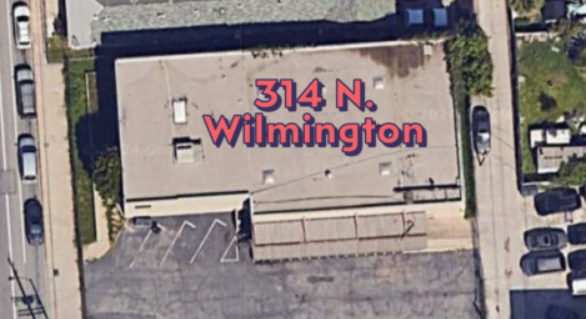
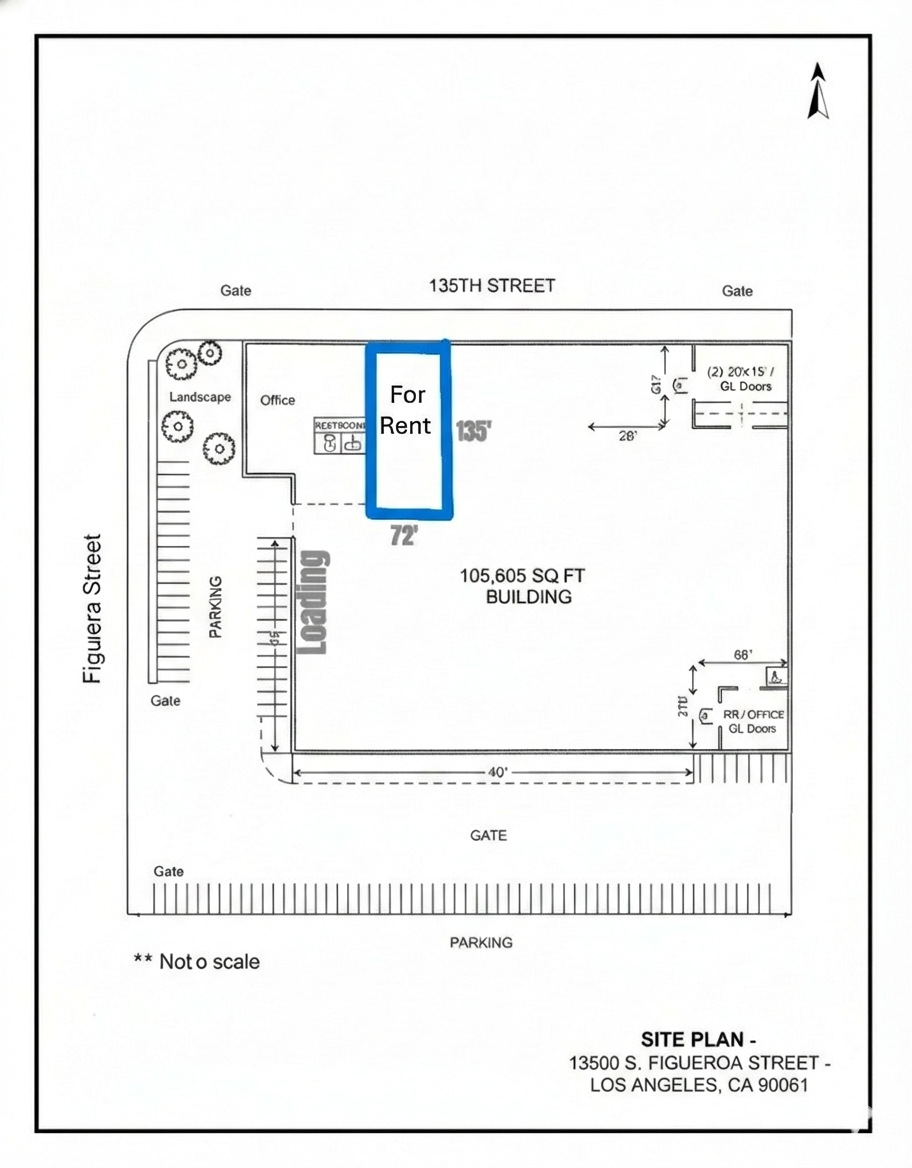
13500 S. Figueroa Street
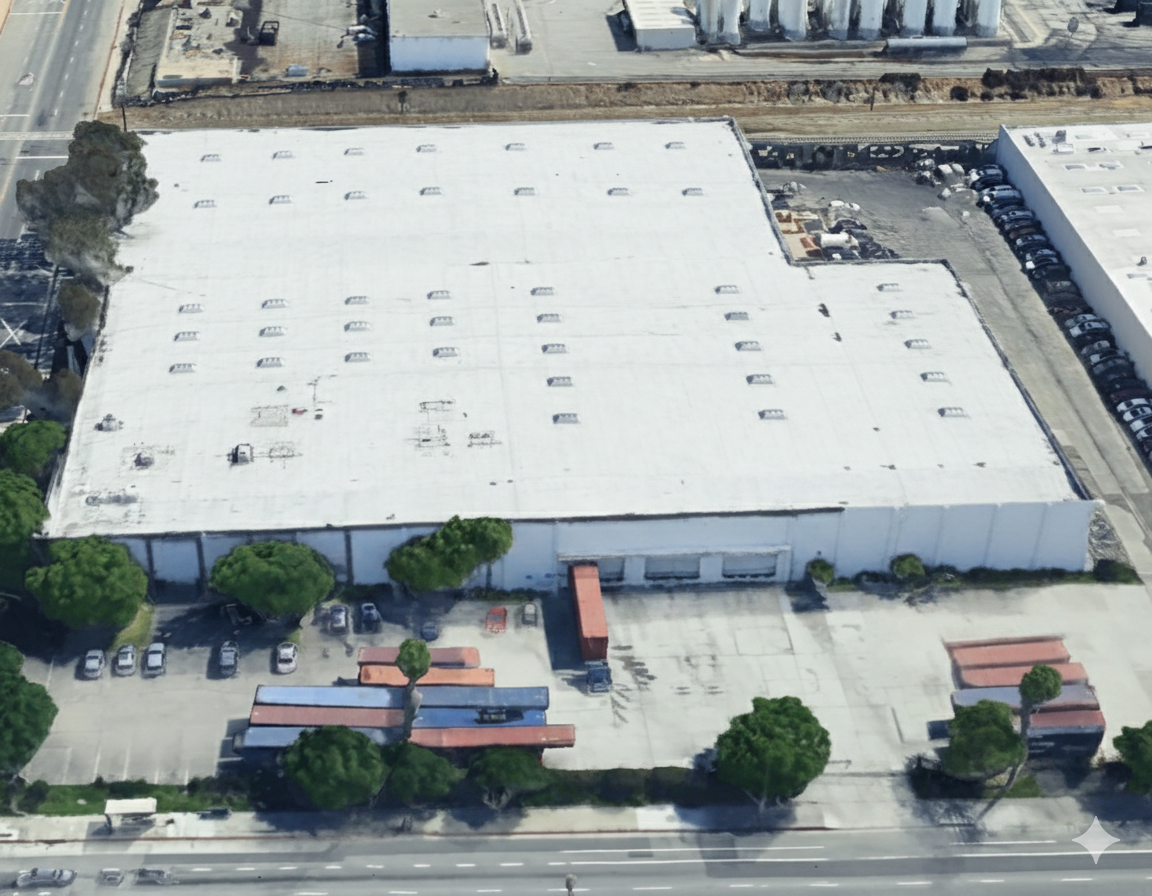
For Rent
- Dead Warehouse Space
- 10,000 Square Feet
- $9,000 per month Gross
- Available Immediately
- Flexible Term
- 24′ Clear/Sprinklered/Shared Bathrooms
- Close to Loading Doors


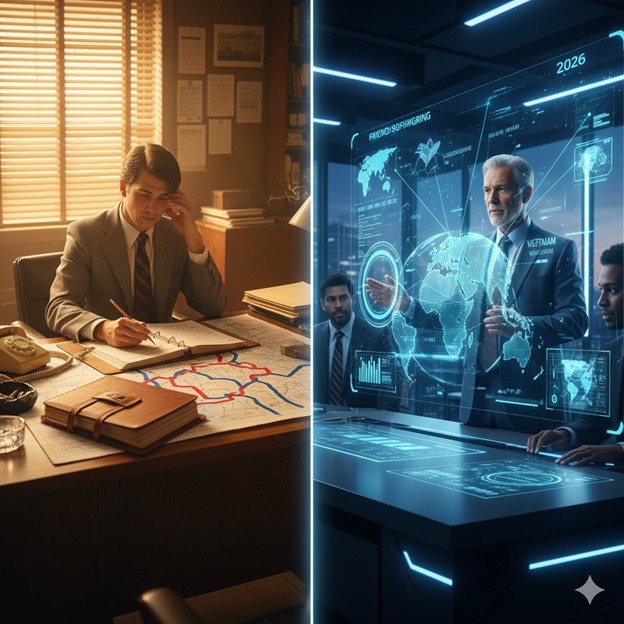
In my early days in the industrial real estate business, information was physical. Listings were delivered in three-hole-punched books, an inch thick, and we were “farm brokers” tethered to small, tightly drawn sub-markets in Los Angeles. If you stepped out of your boundary, you had to bring in a partner who worked that different turf. It was an era of high friction, but it birthed the deep local specialization and clients that stayed with me for decades.
Today, we are in a New Alignment. Two massive shifts are happening simultaneously: a geopolitical fracturing where U.S. bloc industries are “friend-shoring” away from traditional offshore centers, and a technological revolution where AI is partnering with humans to lead us to new directions. A major underpinning of the business, the agency relationship, will diminish as a transaction mindset takes hold. We are facing a reconfiguration of the industrial real estate business.
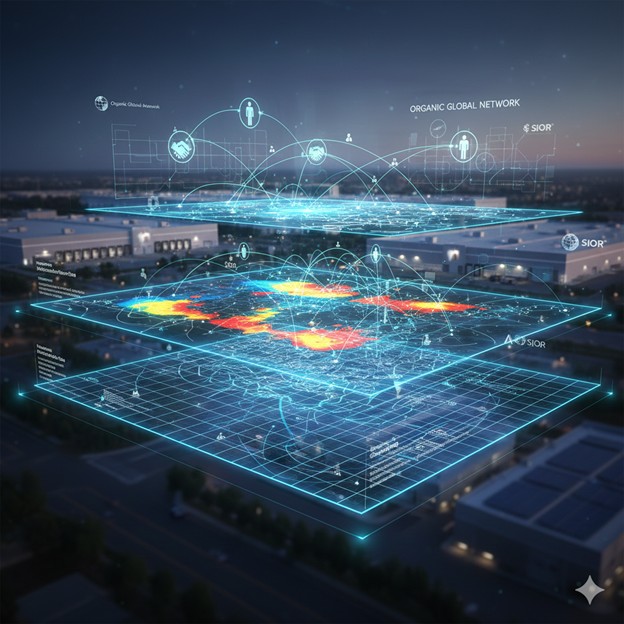
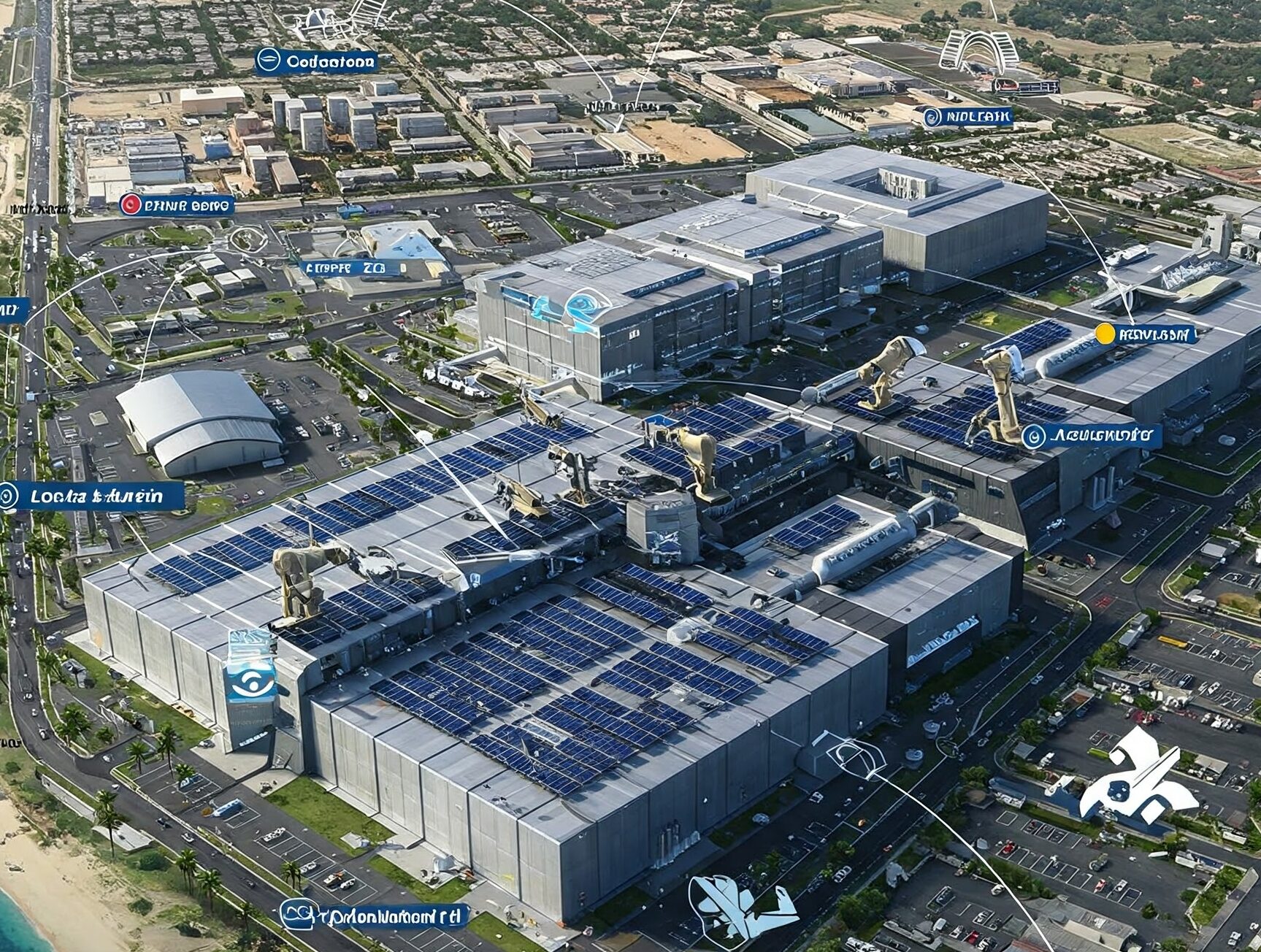
The New Alignment allows us to have a global view that was previously impossible for a local broker. By mapping industrial infrastructure and supply chains within and across borders, we can see the “fracture” in real-time. Through our domestic and international network of SIOR brokers, we aren’t only looking at filling vacancies; we are examining how a specific property fits into a resilient global network. AI allows us to move beyond the “farm” mentality and into a high-level global network.
A side effect of this shift is that global tools and perspectives make us more aware of the local level. Even as we monitor global trade and production, these same techniques provide a sharper, more granular understanding of our home market. At Mr. Warehouse, we update our location mapping and pricing graphs for the Greater Los Angeles area monthly and offer these analytics to our partners in other markets. It’s a vast improvement from the days of weekly listing books.
AI opens new industrial real markets to explore. And by using what we learned locally, we can partner with our global colleagues to achieve what we couldn’t do alone.

In the “farm broker” days, our data was fixed in a physical book. Today, our data lives with tools that capture intelligence. In the New Alignment, we don’t look only for real estate – although through that is the primary means we are compensated; we look for meaning in infrastructure, supply chain, humanity and how that fits into a model of production and distribution. We measure a central principle in the real estate business – location, location, location – and its impact on finance, operations, and the intangible.
Mr. Warehouse adopts three layers of data. These tools allow us to map out the market with precision, helping occupiers and investors find the “nodes” that will thrive in a fractured economy.
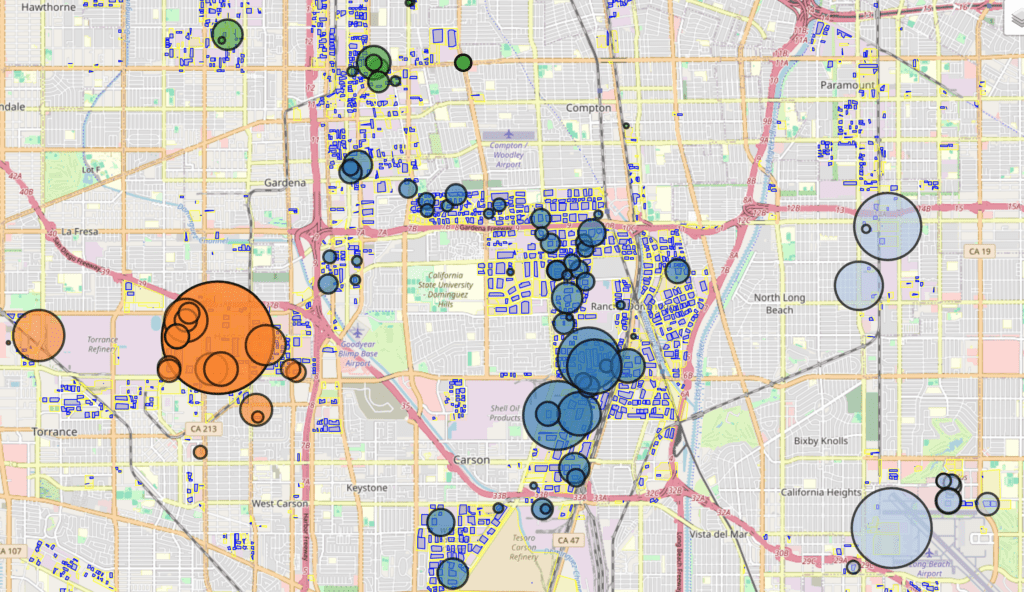
We use the Drupal Geofield module as a simple way to store and map industrial infrastructure location data. The map visualizes location and geographical relationships. By feeding high-resolution parcel-level, ownership and location into the map, we create a transaction platform not only around availabilities, but proximities.
Once we create the physical map, we apply a layer of logic using Streamlit, an analysis software that uses a property database to calculate physical and value relationships for the purpose of making transactions. We turn raw data into meaning. For instance, our Los Angeles industrial data will show the closest and most optimum properties to move. For an occupier, this layer shows if a given site will optimize their supply chain or if they need to replicate their business, or a part of it, in a more efficient manner or hub.

The most powerful data structure we have isn’t digital—it’s human. After 45 years in the business, with most of those years as an SIOR and attending over 65 conferences, our network of relationships is a living social map domestically and internationally. We use modern social networks and our Global SIOR partners to enhance our technology. It’s a privilege for me to work with the best in the business. This layer turns “data points” into “handshakes.”

In the industrial real estate business, the fundamentals haven’t changed in nearly half a century. Location is primary. Occupiers will always want to improve their business. Investors want a reasonable financial reward for taking on real estate risk. What is changing is how humans use machines and how artificial intelligence can serve, not as a tool, but a guide.
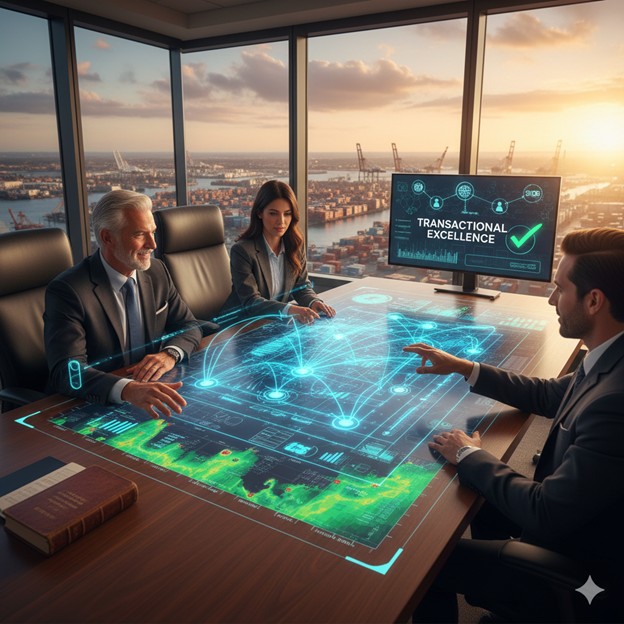
As we embrace the New Alignment, the nature of the relationship between broker and client is evolving. While State Real Estate Licensing Law emphasizes traditional agency relationships in their education and discipline, the reality for sophisticated corporations and institutional buyers is they want a transactional relationship. Clients want high-level intelligence, execution and data-informed results over traditional handholding. We always operate within agency law and focus on transactional success with the speed and precision.
We are utilizing a sophisticated web-and-data stack to achieve these results:
We use technology to understand location and network relationships under the New Alignment. While global in scope, the local becomes more informed. AI and Fragmentation will lead many of our client to succeed and we want to support them using new technologies and fundamental real estate principles. The New Alignment is a period of opportunity.
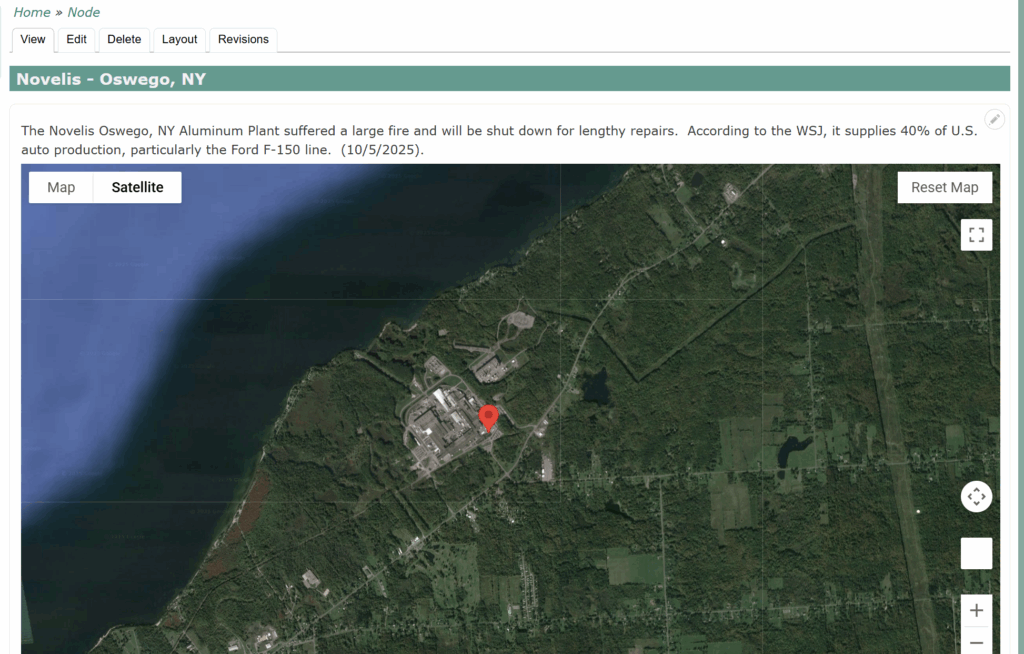
This plant shutdown caught my attention. The Novelis Plant in Oswego, New York supplies 40% of the aluminum for the U.S. auto industry.
|
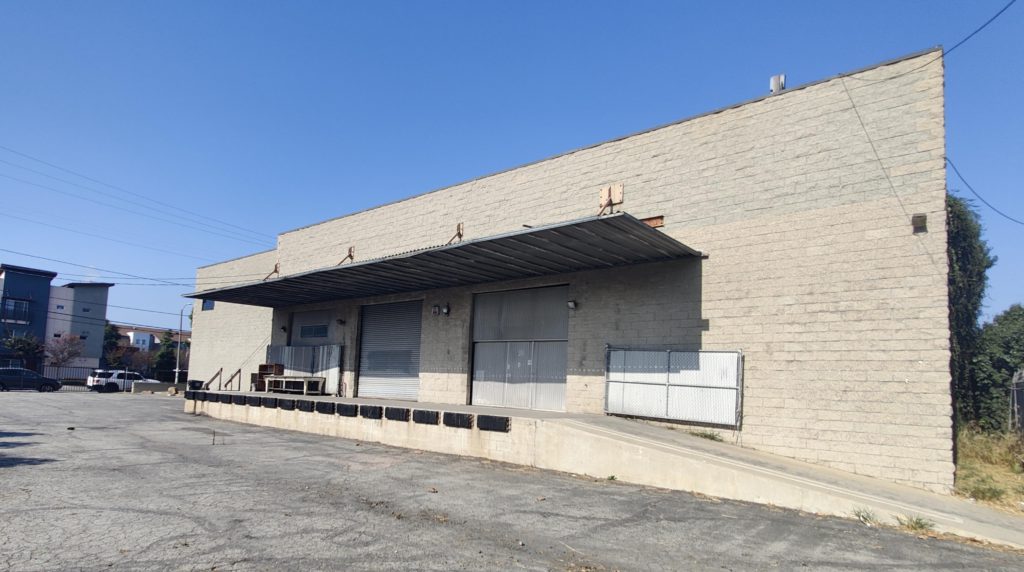
South Bay (L.A.) Industrial Building |
|||
|
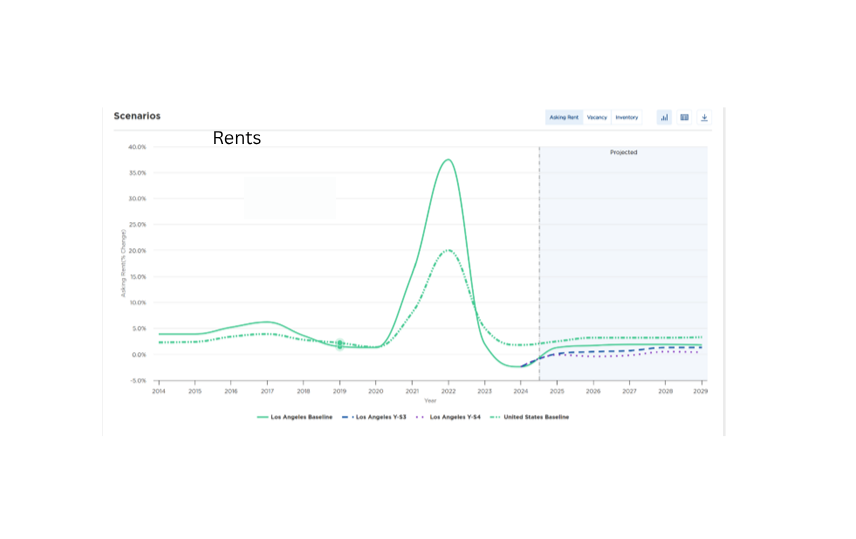
Industrial rents have stayed relatively flat except for a spike during the Covid years. Currently, another adjustment is underway due to a reduction of Chinese goods coming through the L.A./L.B. Ports. The Los Angeles region is a gargantuan warehouse market linked closely and dependent on international trade. |
|
||
|
|
||
|
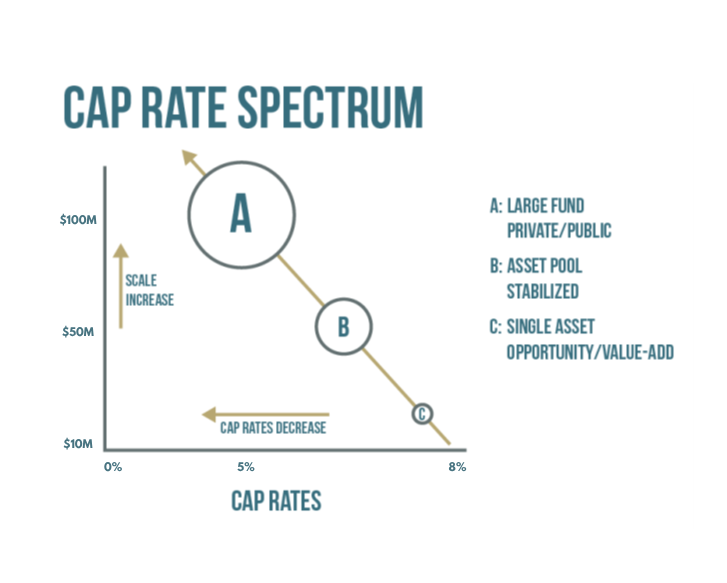
Space availability is increasing because of weak demand. International trade is reduced. One segment that is under-supplied is Hard Tech.Buildings require power, offices, security clearances, parking, cleanliness, and a location along the 405 Corridor. Timing is right to re-position buildings in this corridor. |
|
||
|
Industrial Clusters |
|||
|
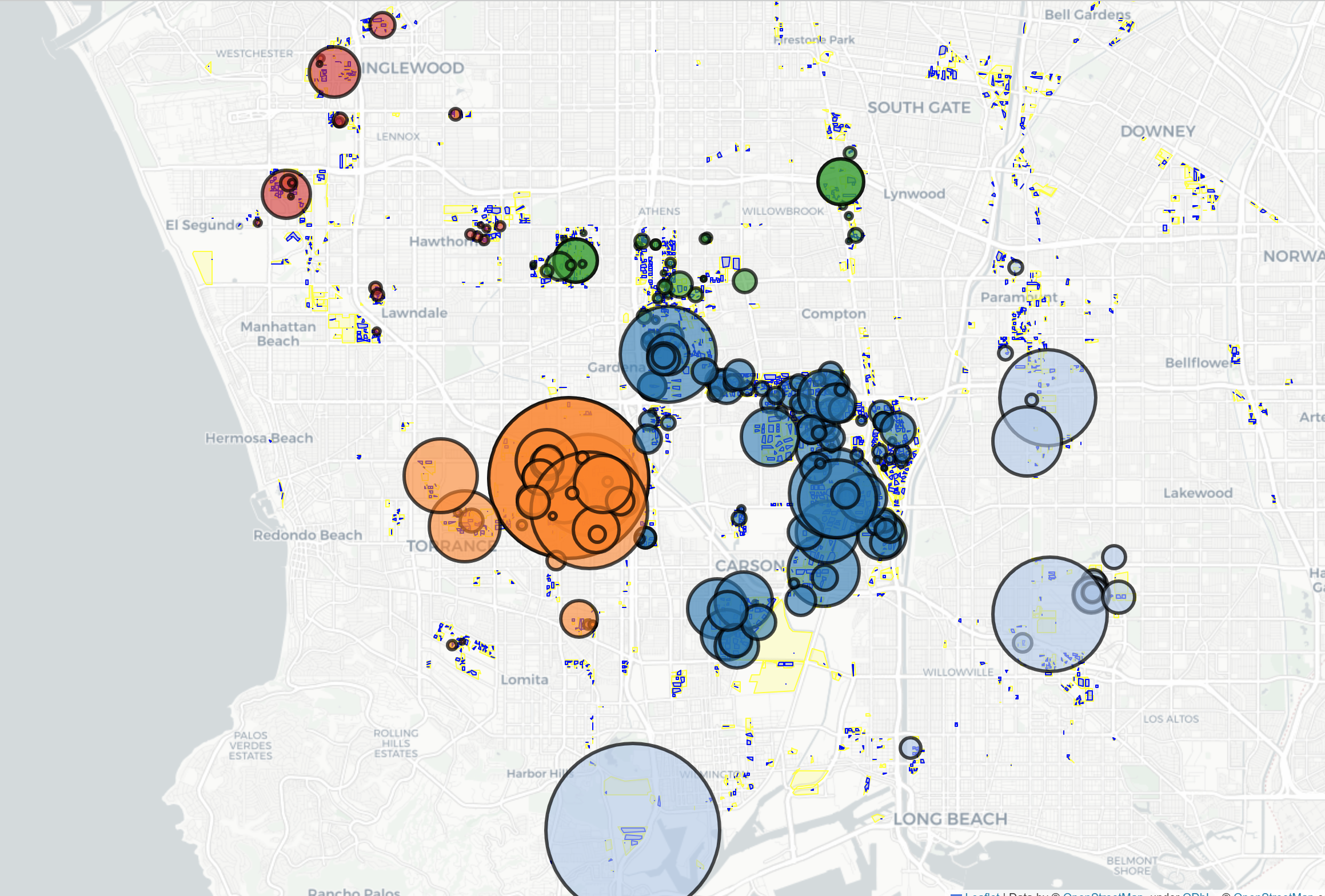
Cluster strategy is used by occupiers to be near skilled employees, vendors, and synergies. El Segundo, the 405 corridor and neighboring cities |
|
||
|
|
||
|
|
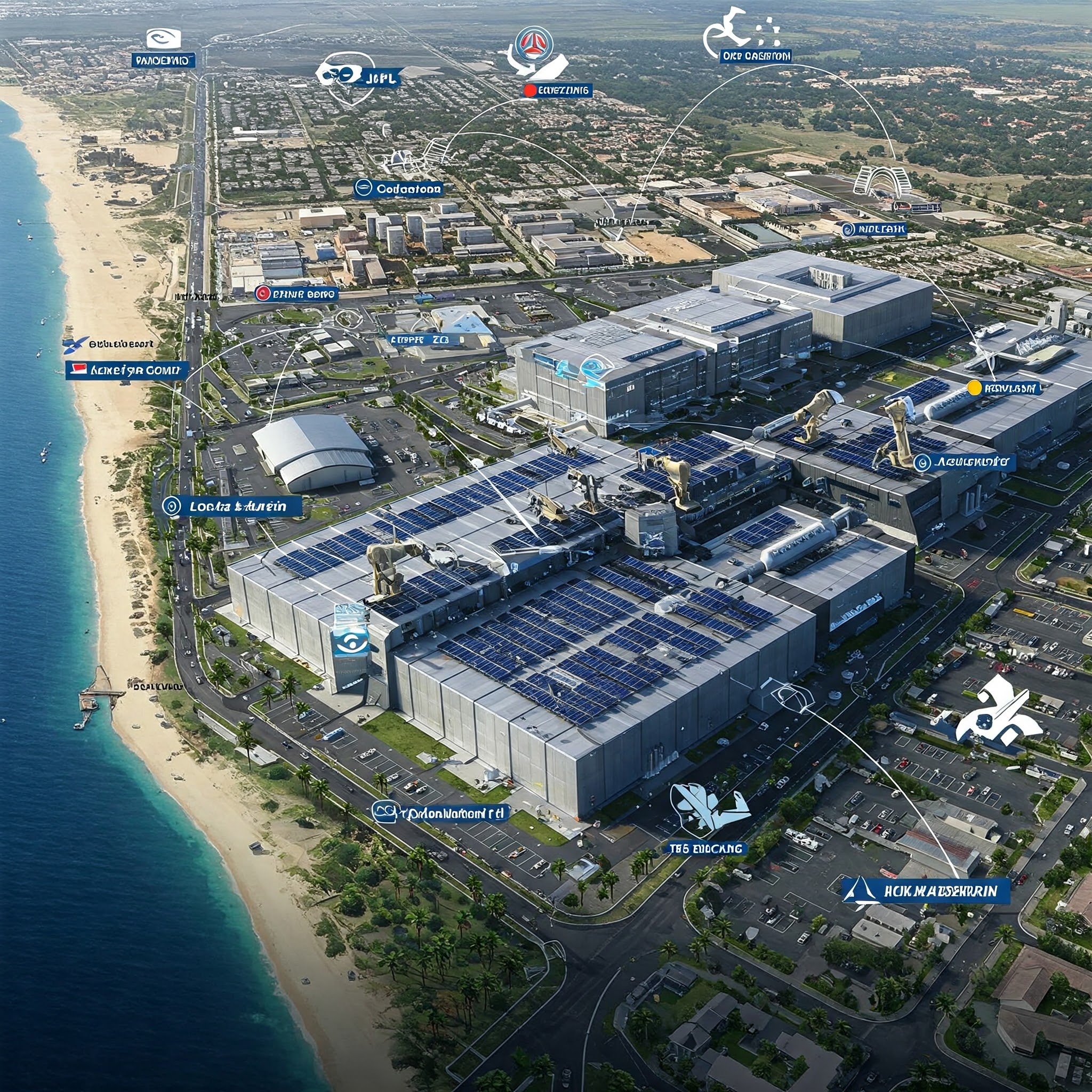
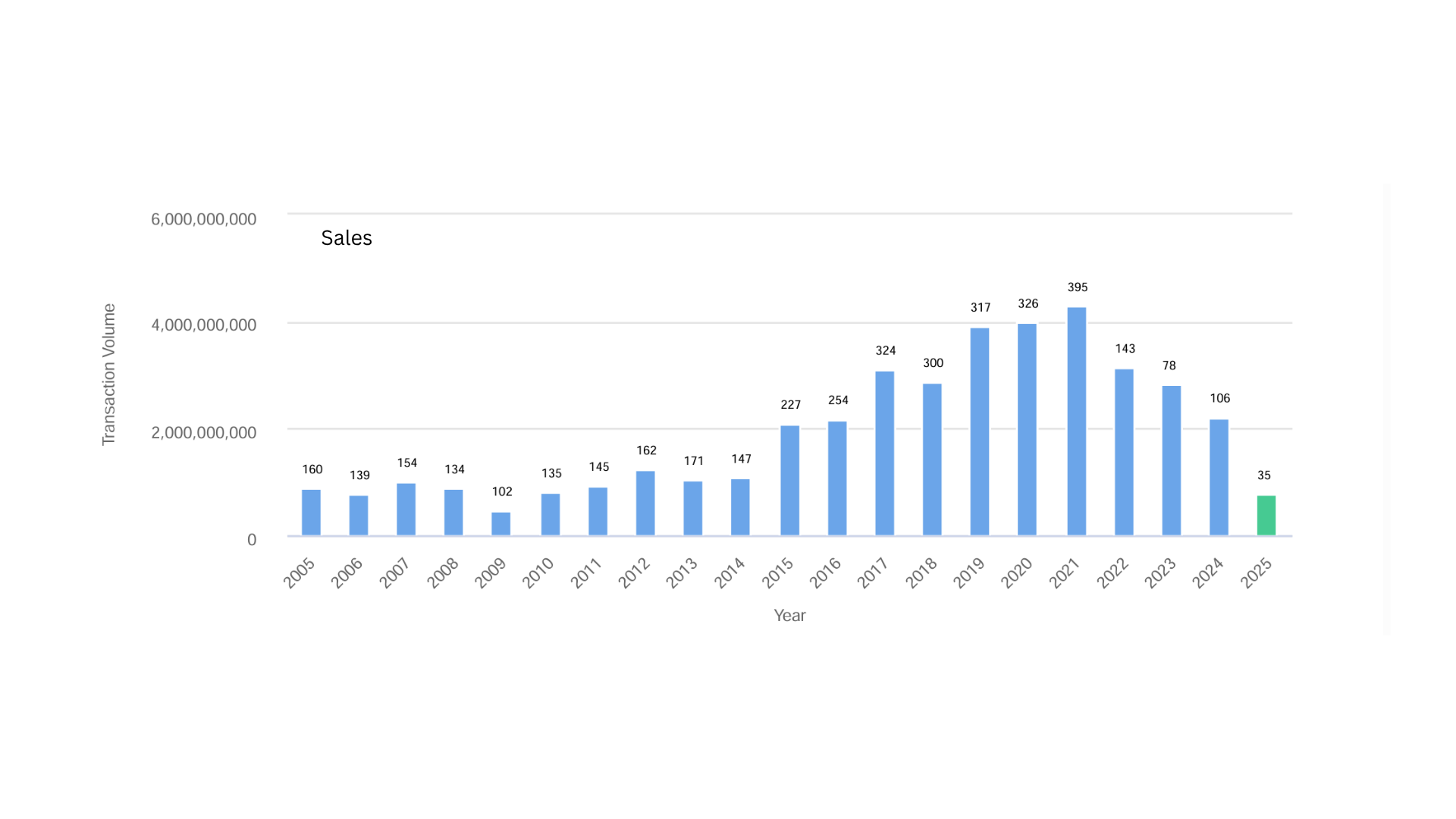
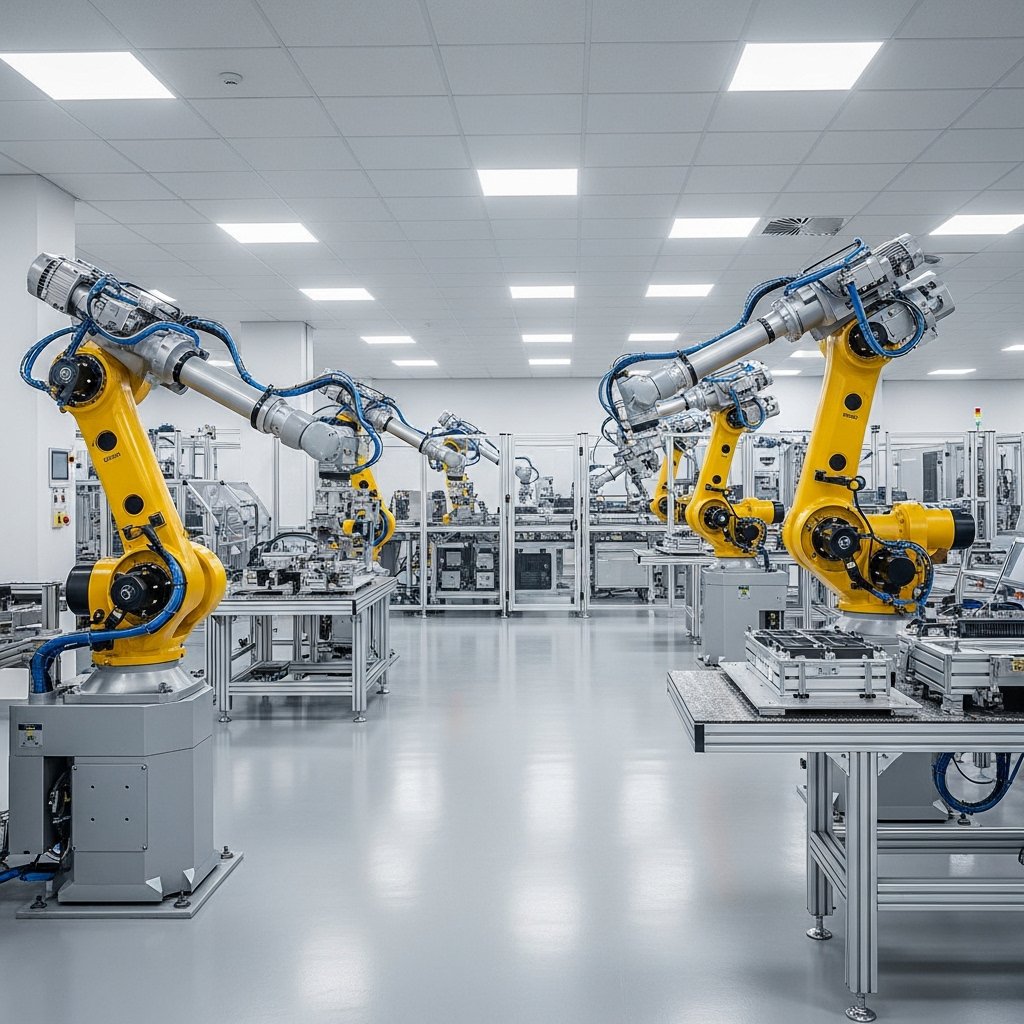
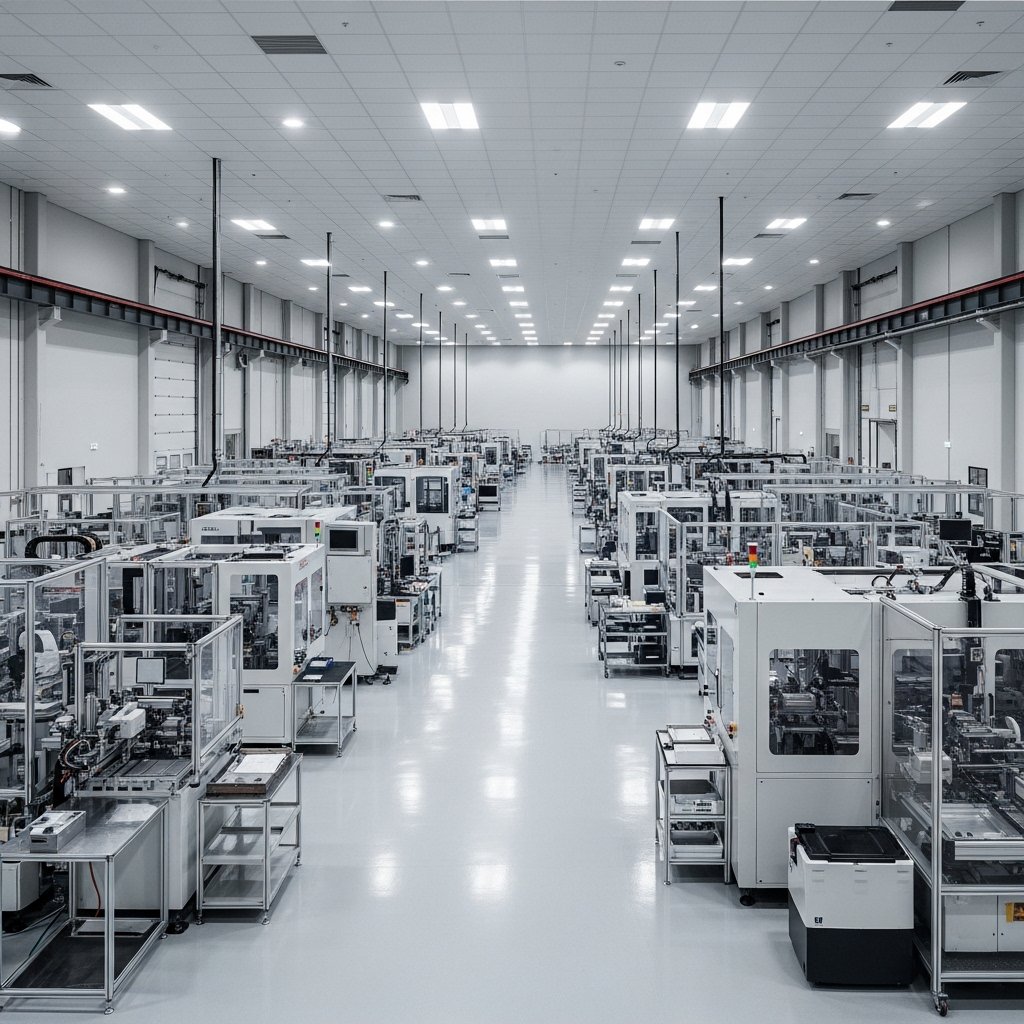
Despite higher than normal industrial vacancies, Hard Tech companies are finding it difficult to locate adequate industrial space. Many Hard Tech companies require substantial electical power. They want a free-standing building for U.S. Government clearance, more office space than is typical, a large parking area, and a location to attract engineers. Many Hard Tech companies prefer El Segundo and neighboring beach communities because of its history of aerospace and defense manufacturing. But they will consider other locatons along the 405 corridor from LAX to Irvine, including Torrance, Long Beach and other locations in Orange County. Some Hard Tech Companies will make the difficult decision to split their manufacturing from engineering to find the right facility in the location they want. Other parts of Los Angeles that served as machining centers in the past are located in Gardena/Carson, Commerce/Vernon and parts of the San Fernando Valley. Following are a couple of graphs describing market conditions:
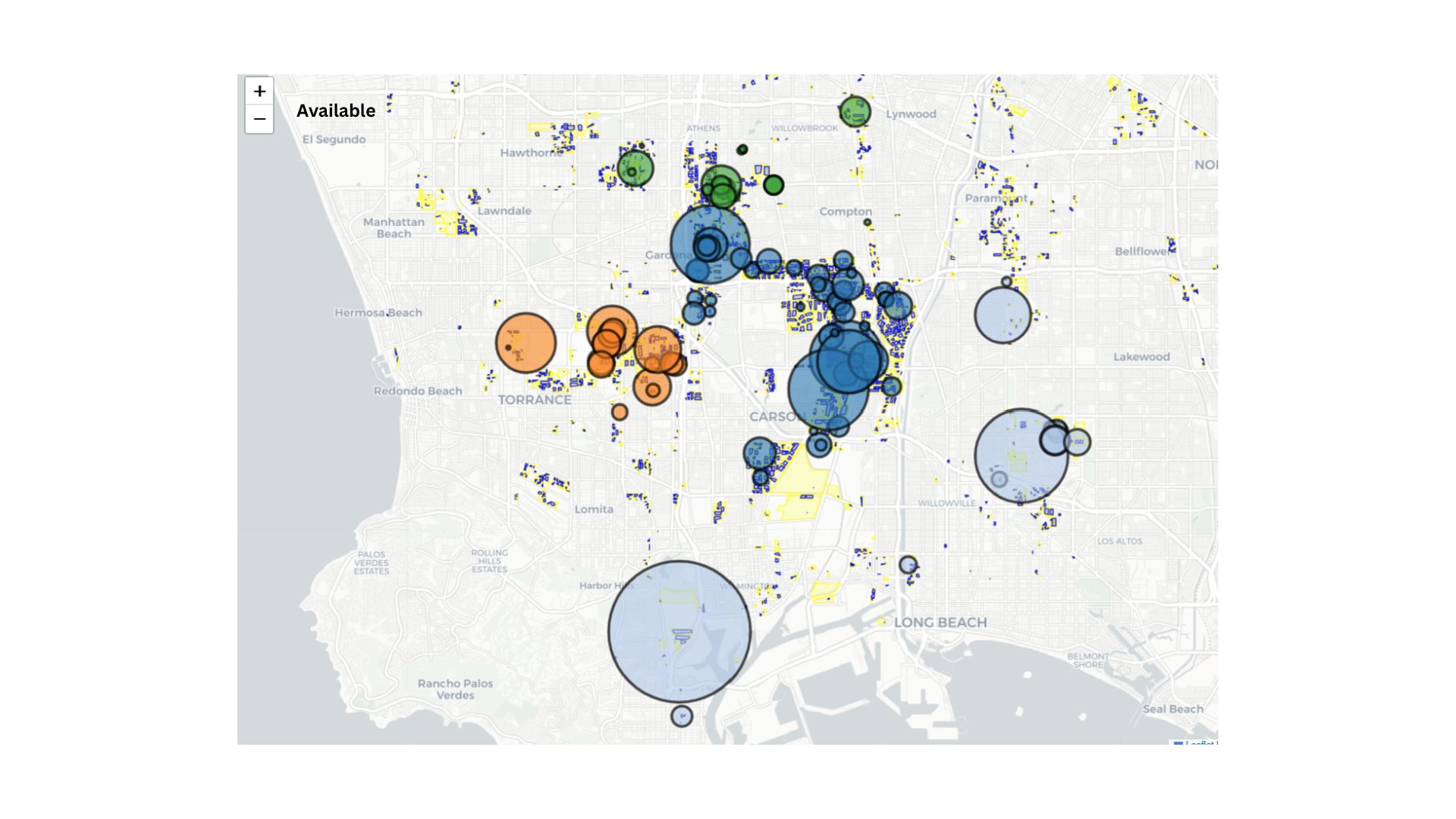
Offerings are scarce in the El Segundo/Beach Cities area. When Hard Tech companies grow, they often look to Torrance, Hawthorne, Gardena, Carson or Long Beach. These cities are close to experienced engineers and they house good production facilities.
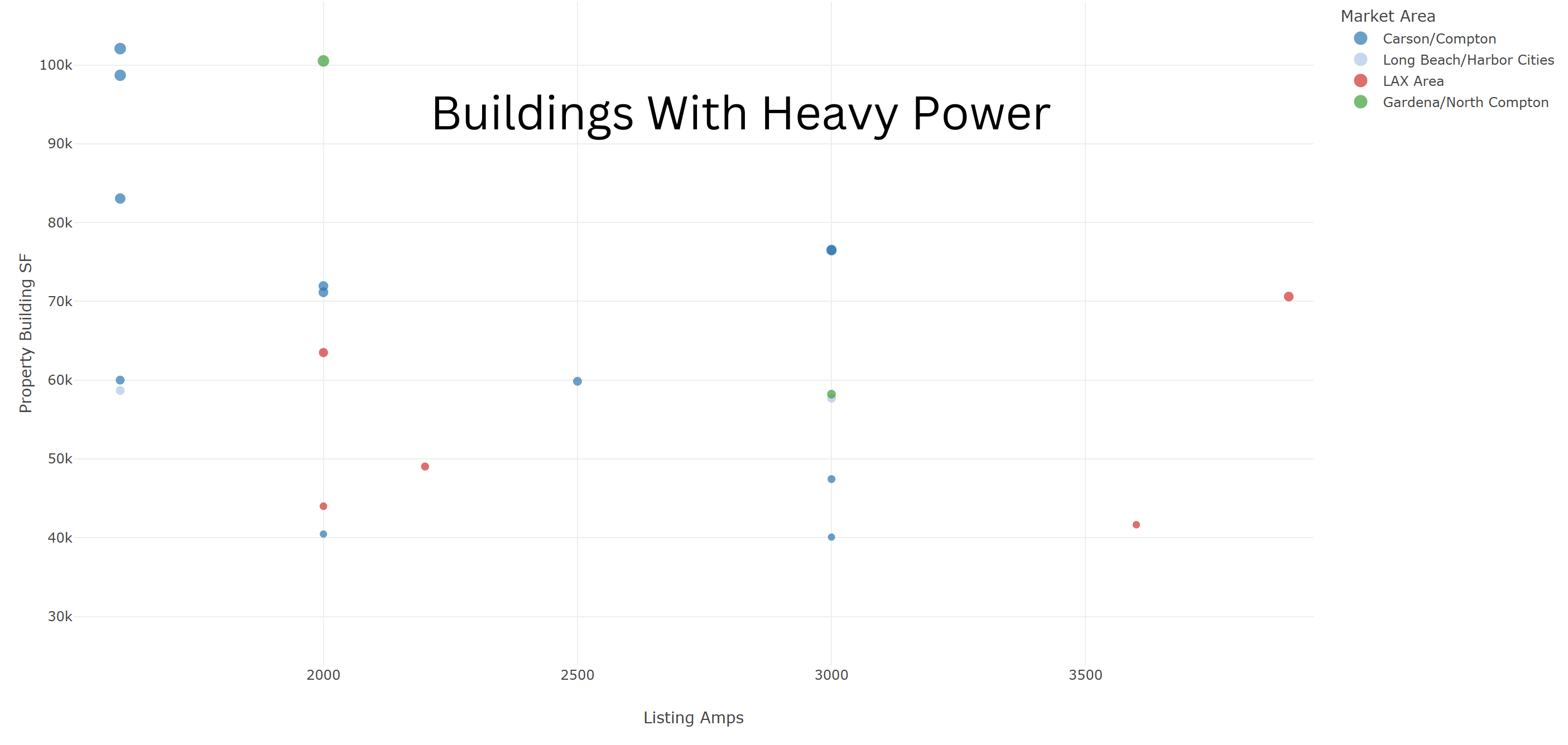
Power is a main criteria for many Hard Tech Companies. If you need heavy power, 2000 AMPs or greater, there are only a few buildings with the necessary capacity in each square foot range.
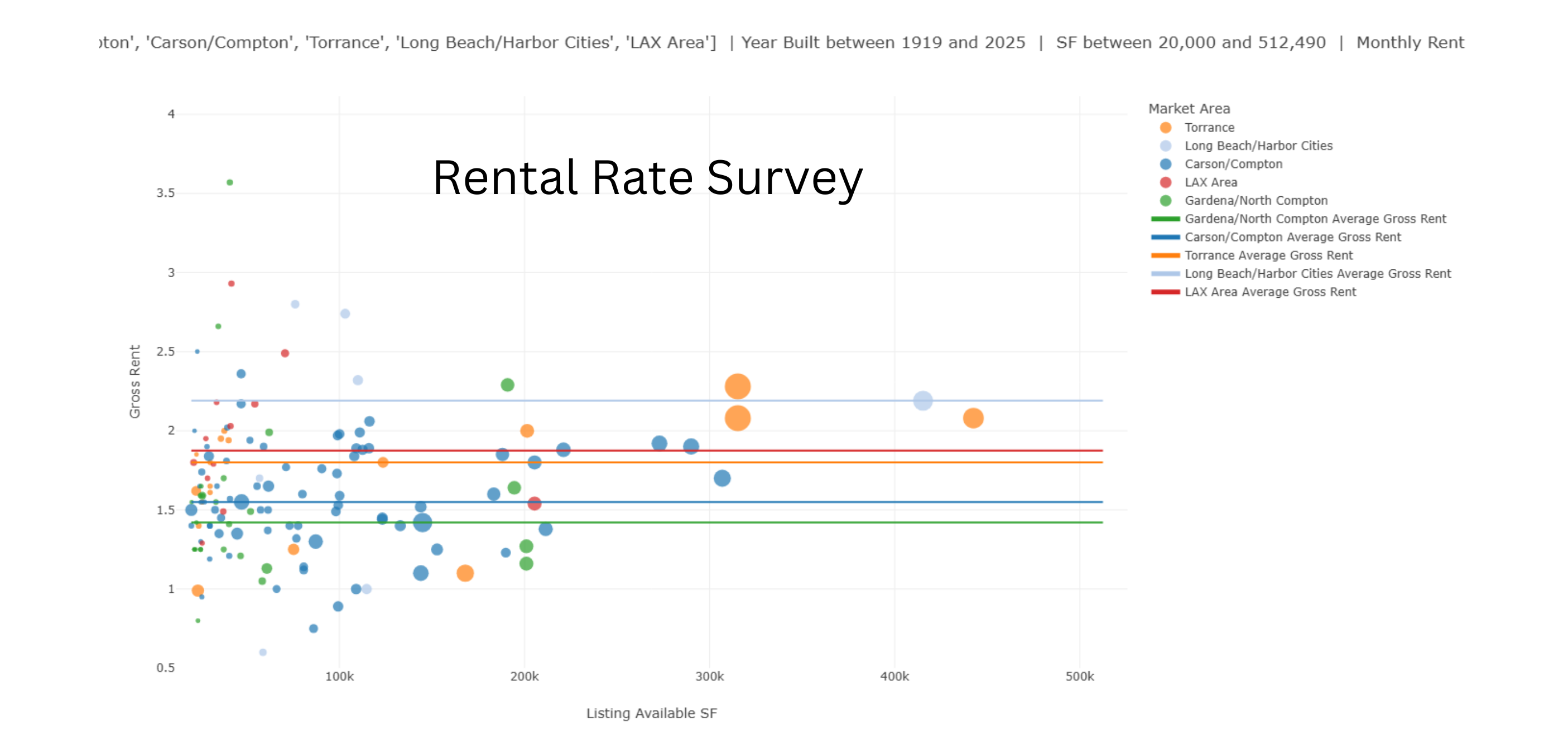
Rents hover between $1.50 to $2.25 Gross per square foot per month depending on location and amenities.
If you are seeking a new building or have questions about Los Angeles industrial real estate, please contact us today.
Thank you,
Jim Klein, SIOR – Jimklein@kleincom.com
Quan Wu – Quan@kleincom.com

In North Santa Monica, where I reside, we are the lucky ones. Destruction from the fires is just over the ridge. We can walk down the staircase on Adelaide, pass Canyon Elementary, climb back up Rustic Canyon, and be in the center of the burn area in a 15-minute hike. It’s smoky, many residents have left the streets to quiet. Face masks are common and the color of the sky is a tinge of orange. Threats of more wind are in the offing. Today, large convoys of police cars and fire trucks, 15 or 20 in a group, are traveling up the 405 with flashing lights to pre-position.
When we evacuated on the first night, we came to the New Gardena Hotel. It’s Japanese-owned and managed with high standards and a good breakfast. It’s in the center of the Gardena restaurant row with noodles, seafood, Japanese, Korean, and Vietnamese delicacies across the street at Pacific Square and Tozai Plaza. I saw a customer at the hotel who did the same as us, to be near his business. His house was destroyed.
Today is President’s Trump inauguration day in Washington D.C. It will bring a new era of governing. The administrative state will be top of the agenda. If you’ve dealt with local planning agencies and the mounds of restrictions from Green Zone Ordinances, buffer zones, AB 98, Environmental Justice, and other anti-industrial building measures, you can see how far astray local leaders have gone by neglecting basic municipal services. The other initiatives I’ll be watching will be AI, Crypto, and Super Intelligence. These are new agencies headed by talented and experienced executives with histories of founding tech companies. And limited Regulation!
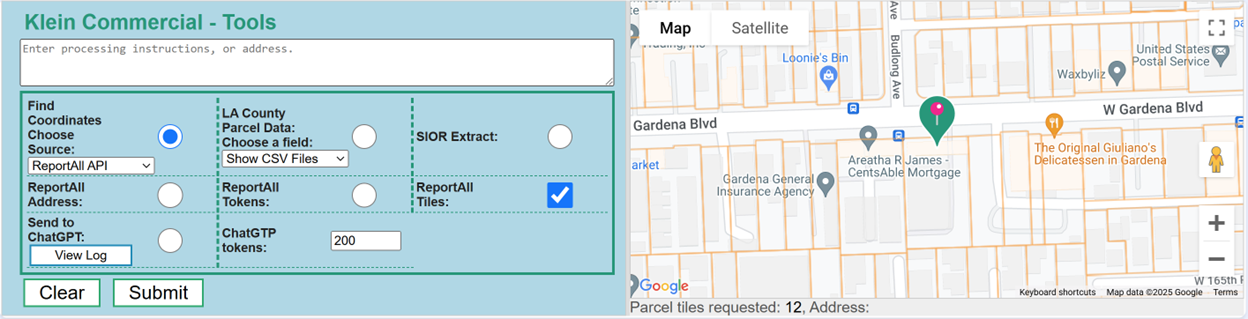
AI is the transforming technology of a generation. Already, AI chat applications provide learning, automation, and useful outputs that merit continual dialog with your AI pal. At our office, we are preparing for the AI future by cleaning our data (parcel records, salesforce, available, and specialty niches) so it can be read by machines. We geolocate each property and create a unique link to build and show relationships. We focus on local properties, especially those that are potential transactions. We follow certain industries and share techniques with colleagues in different markets.
Crypto is a step to the future. An increase in the value of coins and an embrace of crypto by key finance legislators will bring wider acceptance and knowledge. We experimented by building a blockchain on Hyperledger, but we didn’t have enough transactions to justify the instance cost. Now, we are using IPFS, a public decentralized blockchain where cost is low. In Los Angeles, because many properties trade off-market, in quiet transactions, or under new Buyer regulations, there is a blockchain use case to order and provide certainty. Blockchain is helpful when Sellers want to be discrete. You need not trade crypto coins or speculate to use blockchains. Please look for further explanation of how we use IPFS with customary brokerage procedures
In Los Angeles, industrial real estate has gone from frothy to flat. Rents are in decline, sale prices are down, and to the consternation of many sellers, investors have a “large margin of safety” when they make an offer. There is a wide variety of buildings available, especially for warehouse and distribution. One segment of shortage is modern, free-standing, and secure industrial buildings that can meet government clearance. Power and parking are needed for tech-industrial. Multi-tenant units, too, are in short supply.
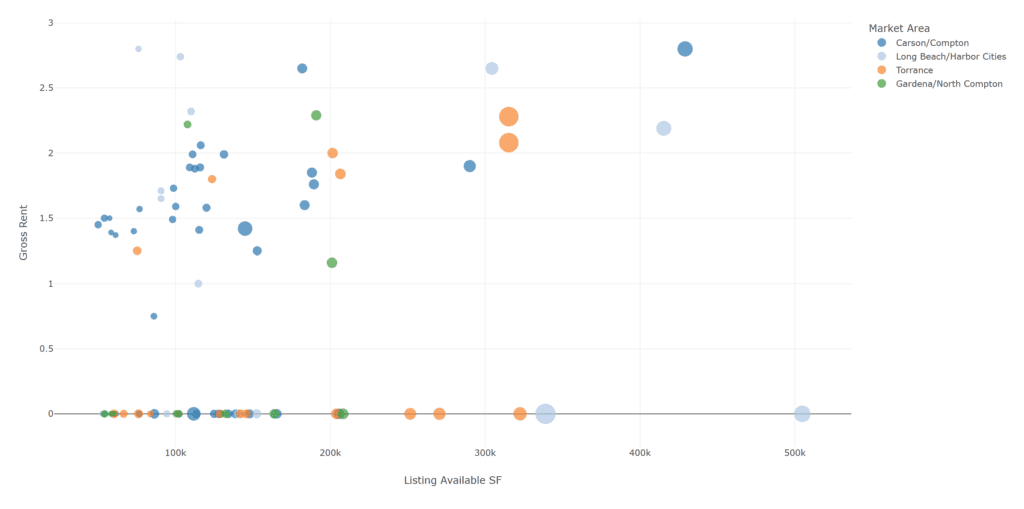
We create analytics and compare buildings based on attributes and location. Clients can understand the real estate markets by scrolling over and seeing the metadata for each property. We create graphs for tenants, owners, and investors. Originally coded for Streamlit, we migrated to a SQL database and then to Postgres so we could capture location data. We’ll be able to solve some nagging problems with this next revision. Organizing market data in this, or other ways, is a necessary step for adopting new standards.
Our staff has grown to eight people split between sales and administration. We have a 45-year history in South Bay industrial real estate and an office in Gardena for most of that time. We live on deals. Please contact us if we can help with your next industrial deal. In Los Angeles, or anywhere in the U.S.
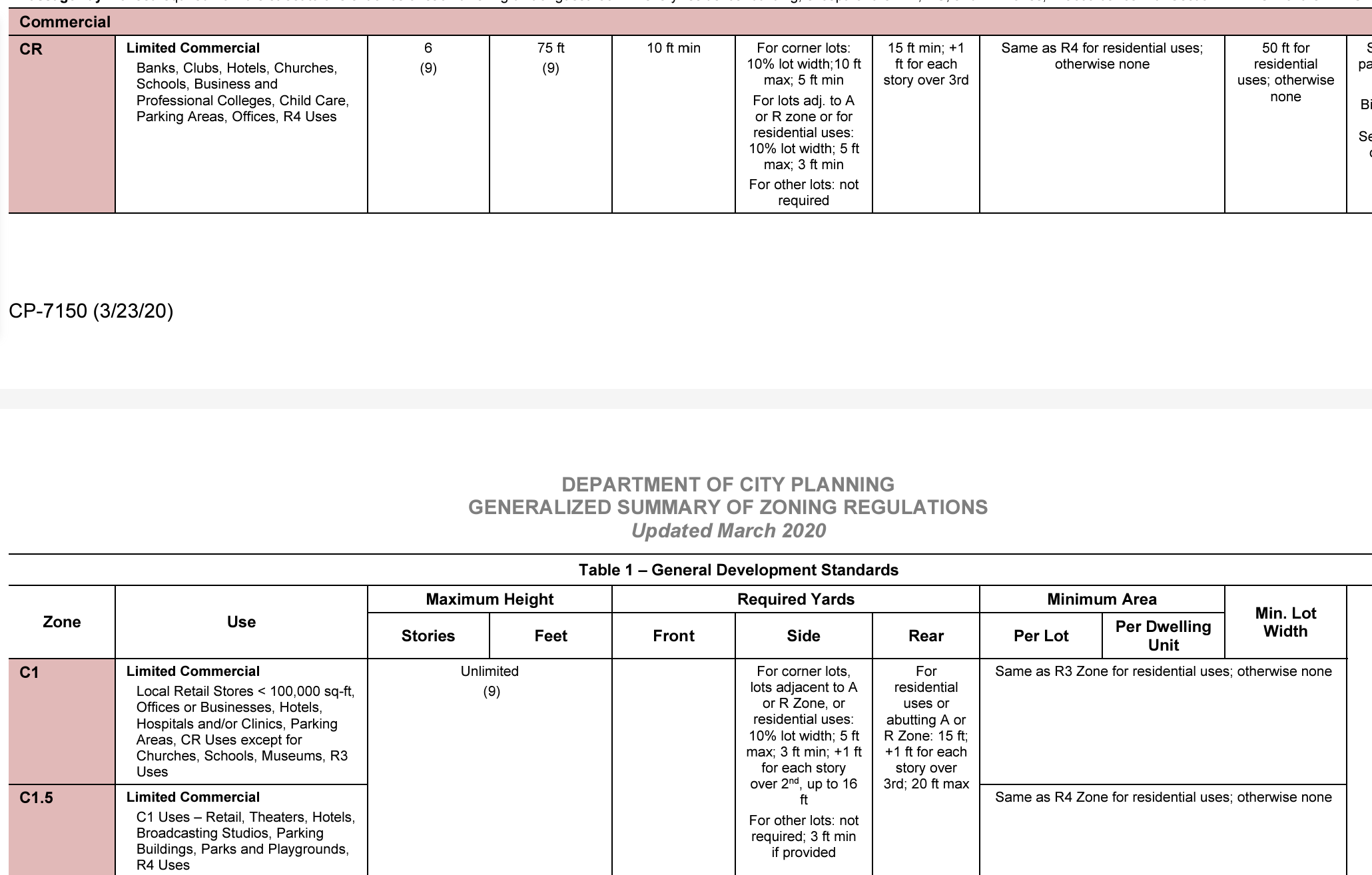
For further clarification or assistance, contact the City of Los Angeles Planning Department or reach
out to us direct. This FAQ prepared by ChatGPT.
As of the start of 2025, all buyers being represented by a broker will need to agree in writing regarding their business and transactional relationship. In many cases, the broker’s compensation is now being shifted to the buyer. There will be a lot of explaining to do if a buyer wants experienced representation. California Civil Code §1670.50, effective January 1, 2025, mandates that real estate agents representing buyers enter into a written “buyer-broker representation agreement” with their clients. This agreement must be executed as soon as practicable, but no later than when the buyer submits an offer to purchase real property.
AIRCRE has developed two forms for both exclusive and non-exclusive agreements. Both are detailed and protect the broker. I will be curious to see how fund-level investors treat this mandate. First Tuesday has also developed a similar form that is simpler to use. I’m debating which of the two versions is more practical. In either case, we’ve been instructed by our legal counsel to prepare an addendum for every property that is submitted. California has added a layer of complexity to every deal. There is an opportunity in this legislation to modernize our brokerage process, but more about that another time.